










When sourcing neodymium magnets, coating quality plays a critical role in determining their longevity, performance, and resistance to environmental factors. A poor-quality coating can significantly reduce the magnet's life cycle, leading to corrosion, surface damage, and overall inefficiency. To help you make informed decisions, this guide will walk you through the best practices for evaluating the quality of neodymium magnet coatings.
Why Coating Quality Is Crucial for Neodymium Magnets
Neodymium magnets are susceptible to corrosion, especially in humid or chemically aggressive environments. To mitigate this risk, various coatings are applied to protect the magnet surface. These coatings ensure that the magnets maintain their strong magnetic properties and are suitable for use in diverse applications, such as motors, medical devices, and sensors.

If the coating is too thin or improperly applied, the magnet will lose its protective properties, leading to corrosion or even complete failure. Therefore, understanding how to assess coating quality is vital for ensuring reliable performance and durability in end products.
Common Coating Types for Neodymium Magnets
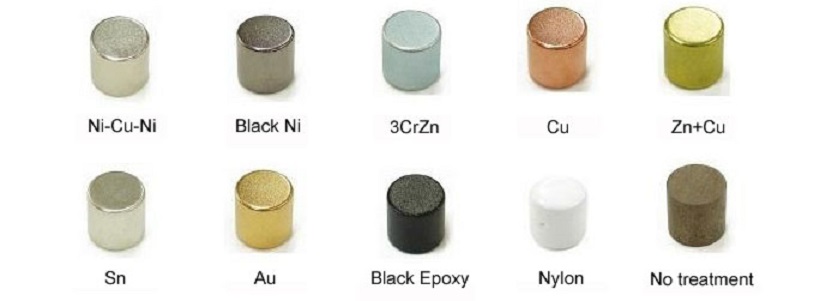
Most NdFeB magnets are coated to protect against corrosion. Common coatings include:
|
Coating Type |
Description |
Advantages |
Typical Applications |
|
Nickel-Copper-Nickel (Ni-Cu-Ni) |
Multi-layer metal plating with nickel and copper layers |
Excellent corrosion resistance, durable, widely used |
Industrial magnets, motors, sensors |
|
Zinc Plating |
Single metal coating |
Cost-effective, basic corrosion protection |
General-purpose magnets, low-cost applications |
|
Epoxy Coating |
Protective polymer coating |
High corrosion resistance, insulation, and chemical resistance |
Outdoor magnets, electronics, and moisture-sensitive environments |
|
Gold or Silver Plating |
Precious metal coating |
Aesthetic finish, electrical conductivity |
Electrical contacts, decorative applications |
Visual Inspection: Quick and Effective Initial Check
One of the simplest ways to assess coating quality is through a visual inspection. This method helps identify obvious defects that could indicate poor coating application.
What to Look For:
Bubbles and Imperfections: Look for areas where the coating may have trapped air, resulting in bubbles.
Cracking or flaking: A good coating should adhere tightly to the magnet. Cracks or flaking are red flags.

Uneven Coating: The coating should be smooth and uniform. Variations in texture could suggest issues during application.
Measuring Coating Thickness: Ensuring Adequate Protection
Coating thickness is crucial to magnet performance. Too thin, and the coating won't protect the magnet from corrosion; too thick, and it may affect the magnet's size or other physical properties.
There are several methods for accurately measuring coating thickness, each providing different levels of precision:
Magnetic Induction: Used for ferrous substrates, this method measures how much the magnetic field is affected by the coating.
Eddy Current: A non-destructive testing method ideal for measuring the thickness of non-ferrous coatings.
Coulometric and microscopy techniques: These provide highly accurate lab-level measurements, often used in research and development.
Adhesion Testing: How Well Does the Coating Stick?
A strong bond between the coating and the magnet surface is essential for durability. Poor adhesion can result in coatings peeling off, especially under stress or extreme temperatures.
Methods to Test Adhesion:
1. Cross-Hatch Test: One of the most common methods. In this test, a precise grid is cut into the coating, and adhesive tape is applied and then removed. By observing whether any coating detaches from the surface, you can determine the strength of the bond and ensure the plating will withstand normal use.
2. Cratch or Pull-Off Test: Another effective method. This approach applies mechanical force directly to the coating to simulate real-world stress, helping you identify potential weaknesses and confirm that the magnet's surface protection is reliable.
Testing Corrosion Resistance: Protecting Against the Elements
Given the environmental sensitivity of neodymium magnets, corrosion resistance is a key factor in determining coating quality. Here's how you can evaluate how well a coating resists corrosion:
Salt Spray Test: The most common test, exposing the coated magnets to a salt mist environment for an extended period to simulate real-world conditions.
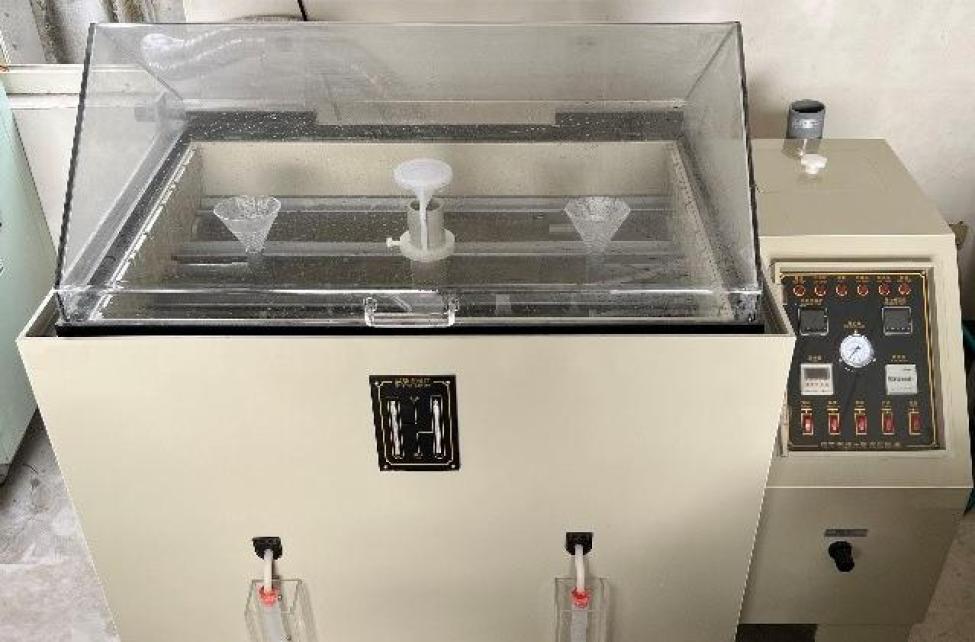
Humidity Test: Magnets are exposed to high humidity to assess how well the coating protects them in damp conditions.
Durability and Wear Resistance: How Coatings Hold Up Over Time
To ensure your magnets perform reliably, it's important to evaluate coating durability and wear resistance. High-quality coatings can withstand friction, handling, and repeated use without peeling or wearing down. You can test this through abrasion or reciprocating wear simulations to see how the surface holds up under real-world conditions. By checking durability, you can confidently select magnets that maintain their protection and performance over time, reducing maintenance and replacement costs.
Testing Methods:
Taber Abrasion Test: This test simulates real-world mechanical wear by subjecting the coating to friction from an abrasive wheel.
Reciprocating Wear Test: Used to assess how the coating performs when subject to repeated contact or sliding motion.
Industry Standards and Certifications: Compliance with Global Regulations
To ensure that you're getting the highest quality coatings, always check whether the coatings meet relevant industry standards. Key certifications and standards for neodymium magnet coatings include the following:
ISO 9001: This standard ensures that manufacturers adhere to quality management systems.
RoHS and REACH Compliance: Guarantees that the coatings are free from harmful substances, ensuring the safety of both the user and the environment.
Why Trust Our Magnet Coating Solutions?
At GME, we provide premium-quality neodymium magnets with reliable coatings that meet international standards. Our coatings are thoroughly tested for thickness, adhesion, corrosion resistance, and wear durability. With decades of industry experience, we ensure every magnet we deliver performs reliably in even the most demanding conditions.

Neodymium Ring Magnets
Ring shape with central hole, perfect for motors, generators, magnetic couplings, and rotational devices.

Neodymium Magnet Balls
Spherical design for multidirectional attraction, suitable for modeling, toys, and small mechanical assemblies.

Neodymium Round Magnets
Strong and compact, ideal for holding, fastening, and use in motors, sensors, and small electronics.
Conclusion
Detecting and evaluating the quality of neodymium magnet coatings is essential to ensure long-lasting performance, corrosion protection, and reliability in your applications. By performing visual inspections, measuring coating thickness, testing adhesion, assessing wear resistance, and verifying corrosion protection, you can confidently select magnets that meet your exact requirements. Taking these steps helps prevent premature failures, reduces maintenance costs, and ensures product reliability. If you want to source magnets with verified high-quality coatings and detailed inspection reports, contact us today to discuss your needs and receive a customized solution for your application.
FAQ
Q: Why is magnet coating quality important?
A: The coating protects your neodymium magnets from corrosion, wear, and environmental damage. High-quality coatings ensure long-lasting performance, reliable magnetic strength, and reduce the risk of premature failure in your products.
Q: How can I visually check a magnet's coating?
A: Start by looking for bubbles, cracks, flaking, or uneven color. A smooth, uniform coating usually indicates good plating, while visible defects can signal poor application that may affect durability.
Q: What methods measure coating thickness?
A: Magnetic induction, eddy current testing, microscopy, and coulometric techniques can accurately determine coating thickness. Ensuring the correct thickness protects the magnet without compromising dimensions.
Q: How do I test coating adhesion?
A: Common methods include the cross-hatch test and scratch/pull-off test. These reveal how well the coating bonds to the magnet, preventing peeling or flaking during use.
Q: How is corrosion resistance evaluated?
A: Salt spray and high-humidity chamber tests simulate harsh conditions to assess the coating's ability to prevent rust and degradation over time.
Q: Can wear and durability be tested?
A: Yes, abrasion and reciprocating wear tests simulate friction and handling, showing how the coating performs in real-world conditions.