








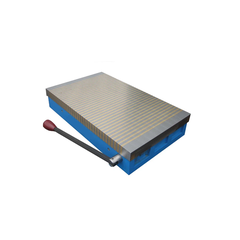


Is nickel magnetic? If you've ever wondered about the magnetic properties of nickel and how it compares to other metals, you're in the right place! Nickel is a metal widely used in industrial applications, but does it have magnetic properties like iron or cobalt? In this article, we'll dive deep into the science of nickel, its magnetic capabilities, and how it performs in different environments. Keep reading to find out how nickel can be used in magnetic applications and whether it's the right choice for your projects.
What Are the Magnetic Properties of Nickel?

Nickel is a fascinating metal when it comes to magnetism, but how exactly does it behave in magnetic fields? Let's explore its magnetic nature and the role of magnetic domains in shaping its properties.
Nickel's Magnetic Nature
Nickel is a ferromagnetic material, which means it has the potential to become magnetized when exposed to a magnetic field. However, unlike iron, it doesn't retain magnetism as strongly once the external magnetic field is removed. This gives nickel a moderate magnetic strength, useful in various applications.
Magnetic Domains in Nickel
The magnetic properties of nickel are governed by its magnetic domains regions where the magnetic moments of atoms align. When these domains align, nickel exhibits stronger magnetism, making it useful in applications like permanent magnets or magnetic alloys.
Is Nickel a Magnetic Metal?
You might be wondering, is nickel magnetic like iron or cobalt? Let's dive into this question to see how nickel behaves in terms of magnetism.
Nickel is indeed a magnetic metal, but it doesn't exhibit the same level of magnetism as materials like iron. It is classified as a ferromagnetic material, meaning it can be magnetized when exposed to a magnetic field. However, unlike iron, nickel doesn't retain its magnetism after the external magnetic field is removed. This makes it useful in certain applications where moderate magnetism is required, such as in some magnetic alloys and permanent magnets. So, while nickel is magnetic, its strength is not as high as that of other, more magnetically active metals.

How Does Temperature Affect Nickel's Magnetic Properties?
Temperature plays a significant role in determining how nickel behaves magnetically. Let's take a look at how different temperatures impact its magnetic properties.
Nickel at Room Temperature
At room temperature, nickel retains its ferromagnetic properties and exhibits moderate magnetism. It's stable and effective for many industrial applications where a consistent magnetic field is needed.
High-Temperature Effects
When exposed to high temperatures, nickel's magnetic properties weaken. As the temperature rises, the atoms in nickel begin to vibrate more, disrupting the alignment of magnetic domains, which reduces its magnetism.

Low-Temperature Behavior
In contrast, at low temperatures, nickel can actually become more magnetic. The alignment of its magnetic domains becomes more stable, leading to an increase in magnetic strength, especially in specialized applications.
Magnetic Applications of Nickel
Nickel is widely used in various magnetic applications due to its unique magnetic properties. Let's explore how it plays a crucial role in several industries.
Nickel in Magnetic Alloys
Nickel is often combined with other metals to create powerful magnetic alloys like permalloy. These alloys have high magnetic permeability and are used in applications like transformers and electronic components, where strong, stable magnetism is needed.
Nickel in Magnetic Separators
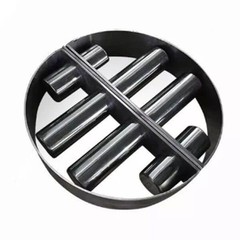
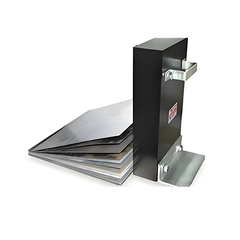
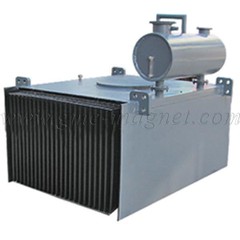
Nickel-based materials are also key in magnetic separators, helping industries like mining and food processing efficiently remove unwanted metals. These separators rely on nickel's magnetic properties to extract ferrous contaminants from materials.
Nickel in Magnets
Nickel is used in making permanent magnets, particularly in applications requiring moderate magnetic strength. It's commonly found in rare-earth magnets, which are essential in motors, hard drives, and various electronic devices.
How Does Nickel Compare to Other Magnetic Metals?
|
Comparison |
Nickel |
Iron |
Cobalt |
Aluminum |
|
Magnetic Nature |
Ferromagnetic, moderate magnetism |
Ferromagnetic, stronger than nickel |
Ferromagnetic, stronger magnetism than nickel |
Non-magnetic |
|
Magnetic Strength |
Moderate strength, less than iron and cobalt |
Stronger than nickel, commonly used for magnets |
Stronger than nickel, used in high-performance magnets |
No magnetism, does not respond to magnetic fields |
|
Applications |
Magnetic alloys, magnetic separators, permanent magnets |
Motors, magnetic storage, transformers |
High-performance magnets, permanent magnets |
Lightweight applications, no use in magnetic fields |
|
Retention of Magnetism |
Loses magnetism when the external field is removed |
Retains magnetism strongly |
Retains magnetism well, ideal for permanent magnets |
Does not retain magnetism |
How to Choose Nickel for Magnetic Applications?
Choosing the right type of nickel for your magnetic applications depends on several factors. Let's explore when and how to use nickel effectively in your projects.
When to Use Nickel in Magnetic Devices
Nickel is ideal for magnetic devices that require moderate magnetism, such as in magnetic alloys and certain types of permanent magnets. It's commonly used in applications where high magnetic strength isn't crucial, but stability and efficiency are.
Selecting Nickel Alloys for Magnetism
When choosing nickel alloys, consider the specific magnetic requirements of your application. Alloys like permalloy offer enhanced magnetic permeability and are perfect for applications needing high magnetic strength, such as in transformers or sensors.
Key Considerations for Magnetic Performance
Consider factors like temperature stability, cost, and required magnetic strength when selecting nickel for your project. For high-performance magnets, you may need to combine nickel with other metals to achieve optimal results.
Conclusion
In conclusion, nickel offers valuable magnetic properties, though its magnetism is not as strong as materials like iron or cobalt. It's best suited for applications requiring moderate magnetic strength, such as magnetic alloys, separators, and certain types of magnets. Whether you're considering pure nickel or nickel alloys, choosing the right material depends on your project's specific needs, like magnetic strength, temperature stability, and cost. If you're looking for high-performance magnets or specialized magnetic applications, nickel may be a great choice. If you need more guidance or want to explore the best options for your specific needs, feel free to reach out and ask for more information we're here to help you make the right decision!